Improving your home’s energy efficiency starts with understanding how air sealing works alongside insulation. Many homeowners focus only on insulation, but air sealing plays an equally important role in preventing energy loss and improving indoor comfort. By sealing hidden gaps and cracks, you can reduce drafts, lower utility bills, and create a more stable indoor environment. This simple yet powerful upgrade also helps your heating and cooling systems perform more efficiently. With expert support from Henges Insulation, homeowners can achieve better comfort, savings, and long-term home performance.
Air Sealing vs. Insulation: What’s the Difference?
Air sealing focuses on closing small gaps, cracks, and openings that allow air to leak in and out of your home. These leaks are commonly found in areas such as attic spaces, wall joints, plumbing openings, and basement connections. If these gaps are not sealed, outside air can enter while conditioned air escapes, creating drafts and uneven room temperatures. This also forces your HVAC system to work harder, increasing energy consumption. By properly sealing these leaks, you can maintain a more stable indoor environment. It is a key step in improving overall home efficiency.
Insulation Reduces Heat Transfer
Insulation is designed to slow down the transfer of heat between the inside and outside of your home. Materials like fiberglass, cellulose, and foam are commonly used to improve energy efficiency. While insulation helps maintain temperature, it cannot stop air movement on its own. If air leaks are present, the effectiveness of insulation is reduced. This is why air sealing is often recommended before adding or upgrading insulation. Together, both systems create a more energy-efficient home.
Why Air Sealing Is Critical for Energy Efficiency
Even well-insulated homes can lose a significant amount of conditioned air through small openings. Air sealing helps reduce energy waste and improves overall home performance. It minimizes drafts and creates more consistent temperatures throughout different rooms. This leads to lower heating and cooling costs over time. It also improves indoor air quality by reducing the entry of dust and outdoor pollutants. Overall, air sealing ensures that insulation works at its maximum efficiency.
DIY Air Sealing Tips for Homeowners
1- Weatherstrip Exterior Doors
One of the simplest ways to reduce air leaks is by sealing gaps around exterior doors. Weatherstripping materials can be easily applied to block drafts. This helps improve comfort and reduce energy loss, especially during extreme weather conditions.
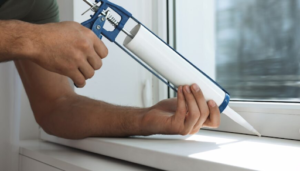
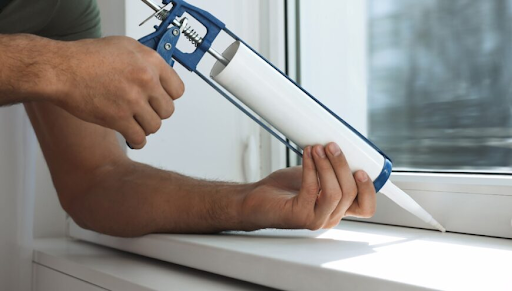
2- Seal Window Gaps
Windows are another common source of air leakage in homes. Using caulk or insulation film can help seal small gaps and cracks. This improves temperature control and reduces energy waste during both summer and winter.
3- Install Outlet and Switch Gaskets
Electrical outlets on exterior walls can allow air to enter your home. Foam gaskets placed behind outlet covers help block these leaks effectively. This is a low-cost and easy improvement for homeowners.
4- Seal Plumbing and Cable Openings
Pipes and cables that pass through walls often leave small gaps behind. Using caulk or expanding foam can seal these openings properly. This helps prevent unwanted air movement and improves overall efficiency.
5- Check Basement and Rim Joists
Basements and rim joist areas are common places for air leakage. Sealing these gaps can greatly improve indoor comfort, especially in colder months. Proper sealing in these areas helps reduce drafts and energy loss.
Professional Air Sealing Through Energy Programs
Professional air sealing services use advanced tools to detect hidden air leaks in a home. These services often include a detailed inspection and targeted sealing work to improve efficiency. Many energy programs also provide rebates or assistance for insulation upgrades after air sealing. Homeowners receive a customized plan based on their home’s condition and needs. Professional work ensures better accuracy and long-term results. This makes it a valuable investment for energy savings and comfort.
Why Homeowners Trust Rogers Insulation
Rogers Insulation has decades of experience in improving home energy performance. Their team specializes in identifying air leaks and improving insulation systems. They work with recognized energy efficiency programs to help homeowners save on costs. Their services are focused on improving comfort, reducing energy waste, and enhancing indoor air quality. Many homeowners trust their expertise for reliable and professional results.
Conclusion
Air sealing is a key step in creating an energy-efficient and comfortable home. When combined with proper insulation, it helps reduce energy waste, improve air quality, and maintain consistent indoor temperatures. Whether through simple DIY improvements or professional services, sealing air leaks delivers long-lasting benefits. It also reduces strain on HVAC systems, helping you save money over time. For reliable and effective solutions, Henges Insulation provides trusted expertise to help homeowners achieve maximum energy efficiency and comfort.