The Question Almost Everyone Asks First
Money tends to be one of the first things people worry about when they start looking at rehab. It’s right up there with “will I lose my job?” and “what will my family think?” And it makes sense. The price tags floating around online range from a few thousand dollars to a hundred thousand or more, depending on the type of program. That kind of range isn’t exactly reassuring.
So is rehab ever truly free? Short answer: yes, sometimes. But “free” can mean a few different things, and what’s available depends a lot on where you live, your income, your insurance situation, and what kind of treatment you actually need.
For most people,drug and alcohol rehab isn’t fully free, but it’s also rarely as expensive as those scary headline numbers suggest. With the right insurance, public funding, or sliding-scale options, treatment is often more affordable than many expect going in. Utilizing Cigna insurance coverage for rehab provides a significant advantage by offsetting costs for high-quality care and specialized therapies that facilitate a sustainable recovery journey.
What Rehab Costs
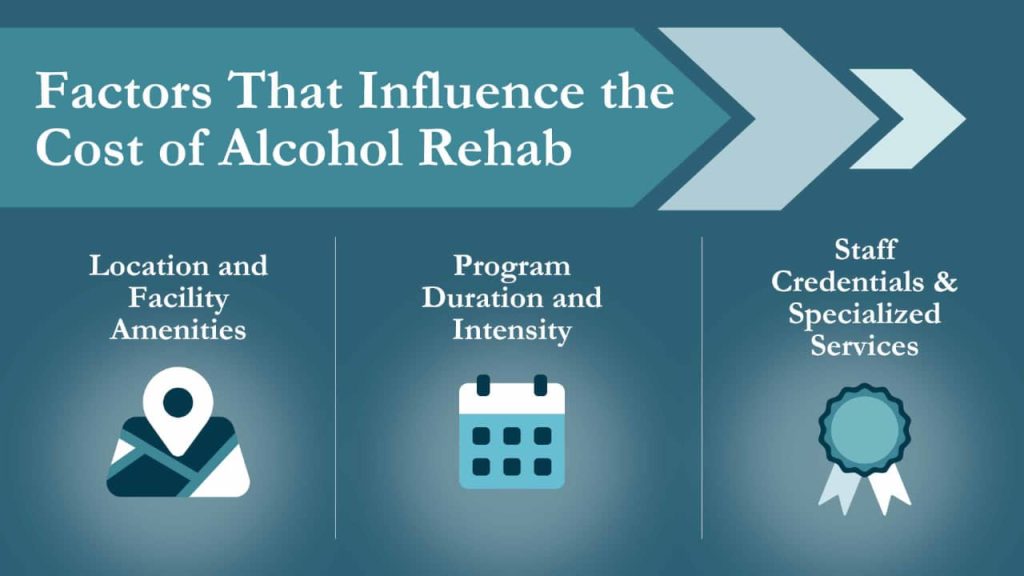
National estimates for rehab pricing vary widely depending on geography, insurance negotiation, program intensity, and length of stay. But broadly speaking, the ballpark figures look something like this:
- Outpatient programs tend to run anywhere from $3,000 to $10,000 for a full course. You live at home and attend sessions on a set schedule.
- Standard inpatient programs can range from about $5,000 to $20,000 for a 30-day stay at a non-luxury facility.
- Luxury inpatient programs are where prices jump dramatically, sometimes north of $50,000 or even $100,000 a month, mostly because of the amenities rather than the clinical care.
- Medical detox typically runs a few thousand dollars on its own, depending on whether it’s inpatient and how long it lasts.
These are broad national estimates, not standardized pricing. Two facilities in different states, or even the same state, can quote very different numbers for similar programs.
Worth knowing: a more expensive program doesn’t automatically mean better outcomes. The clinical model, the staff, and the aftercare plan matter much more than the thread count on the sheets.
Is Rehab Ever Truly Free?
Sometimes, yes. A few categories of programs offer treatment at no cost to the patient.
State-funded programs. Most states run or contract with treatment centers that accept patients regardless of ability to pay. You usually need to show financial need and may face a waiting list, but the care itself is free or close to it.
Faith-based and nonprofit programs. Organizations like the Salvation Army and other religious nonprofits operate rehab programs at no cost. These often involve a residential component and a work component, and they vary widely in clinical depth.
VA programs. Veterans can access addiction treatment through the Department of Veterans Affairs at no cost, with priority access for certain levels of care.
Clinical trials. People who qualify for substance use clinical trials can sometimes receive free treatment in exchange for participating in research.
None of these are right for everyone. But they exist, and they’re worth knowing about if cost is the wall standing between someone and treatment.
How Insurance Changes the Math
For most Americans with any kind of insurance, the picture looks different.
Under the Affordable Care Act, addiction treatment is one of the ten categories of benefits all marketplace plans have to cover. According to HealthCare.gov, insurers also have to provide what’s called parity, meaning they can’t apply stricter limits to mental health and substance use services than they do to medical care.
In practice, that means most plans cover at least some portion of the following:
- Detox
- Inpatient rehab
- Outpatient programs
- Therapy and counseling
- Medication-assisted treatment (like Suboxone, methadone, or naltrexone)
Medicaid covers a lot of substance use treatment too, often more generously than people expect. Many quality treatment centers, including ones with inpatient services, accept Medicaid alongside commercial insurance.
The catch is in the details. Coverage levels can vary significantly between plans, even within the same insurer. Deductibles, co-pays, in-network restrictions, prior authorization requirements, step-therapy rules, and limits on inpatient days all affect what you’ll pay out of pocket, and denials or partial authorizations are common enough to plan around. Calling the insurer directly, or letting a treatment center’s admissions team verify benefits for you, is the only way to know real numbers for your situation.
Why Treatment Is Worth the Cost (When There Is One)
This part deserves a paragraph on its own.
Untreated addiction is also expensive, just not in a way that shows up as a single bill. Lost wages. Medical complications. Legal costs. Family fallout. Damage to careers and relationships that takes years to repair, if it ever fully does.
Research from the National Institute on Drug Abuse consistently shows that treatment, even when it isn’t perfect, tends to reduce drug use, related health problems, and the social costs that pile up around active addiction. The long-term financial costs of untreated addiction are often far higher than the cost of treatment itself.
What to Ask Before Committing
If you’re calling around to facilities, a few questions will save you time and stress:
- What does my insurance cover at your facility?
- Are you in-network with my plan or out-of-network?
- If I don’t have insurance, what payment plans, sliding scales, or scholarships do you offer?
- Do you accept Medicaid?
- Are there waiting lists for any of your programs?
- What’s included in the quoted price, and what’s billed separately?
Reputable centers should answer these clearly. If you get a vague runaround or aggressive sales pressure, that’s information too.
The Bottom Line
Rehab isn’t always free, but it’s often more affordable than people assume before they pick up the phone. Between insurance, Medicaid, state-funded programs, sliding-scale fees, scholarships, and payment plans, many people in the US can find some path to treatment that doesn’t require draining a retirement account.
The harder part is usually picking up the phone in the first place. Many treatment centers will run an insurance check and give you real numbers before you commit to anything, though it’s worth being prepared for some sales pressure depending on where you call. That initial phone call is free, and it usually answers the cost question better than any general article can.