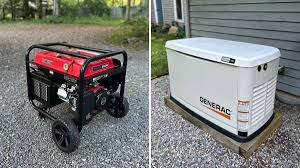
Power reliability now affects comfort, safety, income, and even basic communication. A few hours without electricity can spoil food, disrupt remote work, knock smart devices offline, and shut down medical equipment. Full home generator coverage promises to keep everything running, but it comes with a serious price tag and long‑term commitment. Many homeowners search online for “whole house generator vs portable” or “is a standby generator worth it” because they want facts, not hype. This guide explains what full coverage means in 2026, who really needs it, what it costs, and the smarter backup strategies worth considering.
What Full Home Generator Coverage Means Today?
Full home generator coverage means a standby generator sized and wired to power almost every circuit in your house automatically. When the grid fails, an automatic transfer switch senses the outage and starts the generator within seconds. Major systems keep running: central AC or heat, refrigerators, freezers, well pumps, sump pumps, wifi, lighting, garage doors, and many outlets. Modern 2026 models can connect to smart monitoring apps and run scheduled self‑tests. Electricians match generator size to your home’s square footage, typical load, and surge demands from HVAC and large appliances. This level of coverage aims to make outages almost invisible, turning your home into a small island of stable, always‑on power.
When Full Home Generator Coverage Is Worth It?
Homes Facing Frequent Outages and Severe Weather
Homes in storm‑prone areas see the biggest benefit from full coverage. Coastal regions with hurricanes, inland areas with ice storms, and wildfire‑risk zones often experience repeated, multi‑day outages. In these places, losing power can mean flooded basements from failed sump pumps, frozen pipes, spoiled food, and unsafe indoor temperatures. Utility upgrades lag behind climate‑driven extremes, so many households look for independent backup. A whole home generator can keep HVAC running, maintain dehumidifiers, and power security systems and cameras when neighborhoods go dark. For households with young children or older adults, staying put with full power is safer than seeking shelter. If your local grid fails several times a year, whole‑house coverage starts to look like insurance.
High Power Demand and Critical Appliance Usage
Some homes simply use too much power to rely on small, portable units. Large houses with multiple HVAC systems, electric ranges, double ovens, big well pumps, and multiple freezers need higher backup capacity. If you run medical devices at home, such as oxygen concentrators or powered mobility equipment, consistent electricity is not optional. Full coverage lets you keep all essential circuits live without constant load‑juggling. Electric vehicle owners also look at standby systems to maintain Level 2 charging in longer outages. While you do not need to back up every outlet, full‑home systems let an electrician prioritize big loads safely. If losing these systems would create serious health or property risks, a larger generator becomes more reasonable.
Remote Work, Smart Homes, and Daily Power Dependence
Households that rely on stable internet and power for work, school, or business feel outages in their wallets. Remote workers, online sellers, and content creators can lose billable hours and client trust when the lights go out. Many homes now run smart locks, cameras, thermostats, and voice assistants that need constant power and wifi. Some owners operate home servers, network storage, or 24/7 monitoring systems. Full home generator coverage supports routers, access points, computers, and backup drives without interruption. You can keep video calls stable, access cloud tools, and print documents as usual. For families with multiple remote workers or students, each outage can derail an entire day, making investment decisions like choosing a reliable generator for house needs more important than ever.
Costs, Alternatives, and Smarter Backup Strategies
Installation Costs and Long-Term Value in 2026
Full home standby generator systems in 2026 often run from several thousand to tens of thousands of dollars, depending on size, fuel, and electrical work. Costs include the generator, concrete pad, permits, gas line extensions, and professional installation. Larger homes with complex panels or subpanels usually pay more. Ongoing expenses include fuel, oil changes, filters, and periodic service checks. Many owners sign maintenance plans to keep warranties valid and ensure the system starts under load. To judge value, compare total cost over 10–15 years against your outage history, potential business losses, hotel stays, spoiled food, and property damage. In many mild‑climate suburbs, a smaller, targeted system or portable setup delivers better value than full coverage.
Comparing Whole Home, Partial, and Portable Solutions
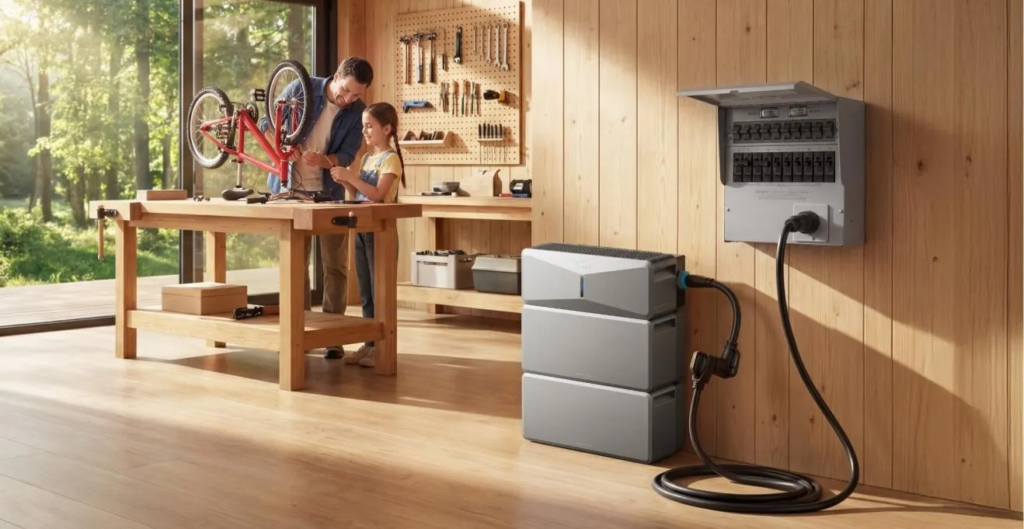
Full home standby generators offer convenience but are not the only option. Partial‑home systems use a smaller standby unit tied to a managed load panel. This panel feeds only priority circuits: fridge, freezer, key lights, outlets, furnace blower, and internet gear. You cut both upfront and fuel costs while still staying functional. Portable generators cost much less and work well for short, occasional outages. They require manual setup, fuel storage, and safe connection through a transfer switch or interlock kit, not extension cords through windows. Inverter generators run quieter and safer for electronics but provide less power. Many homeowners combine a modest standby or portable unit with non‑electric heating options and battery backups for routers and devices.
Scalable and Smart Energy Systems for Flexible Backup
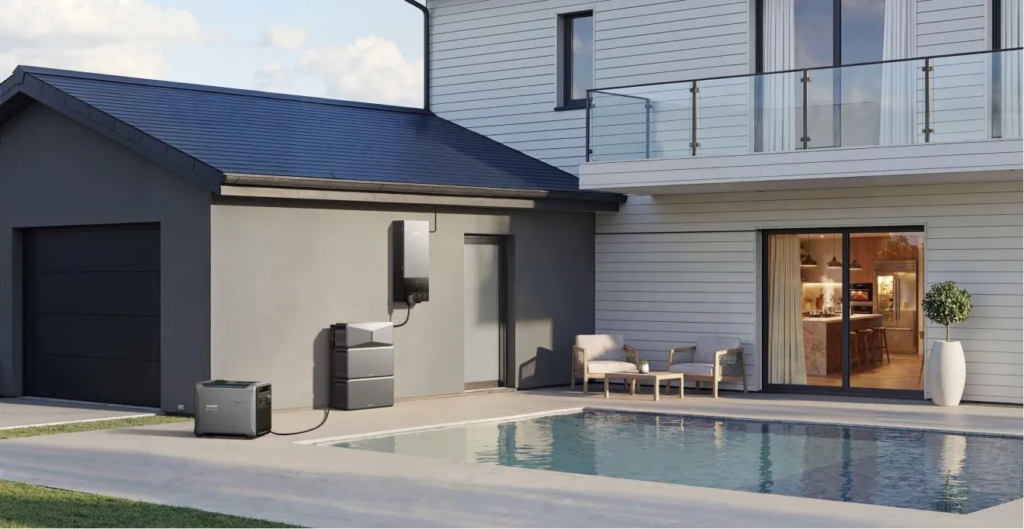
In 2026, more homeowners blend generators with solar panels, battery storage, and smart load management. A smaller generator can charge home batteries and power essentials, while intelligent panels shed noncritical loads automatically. This approach lets you scale backup capacity over time instead of oversizing a generator on day one. Solar‑plus‑storage systems can handle short outages quietly, then rely on a generator if storms last longer. Smart thermostats, plugs, and energy monitors show which devices draw the most power, helping you design leaner backup plans. Some utility programs reward customers who reduce peak usage or export solar energy. By combining these tools, you can build a flexible system that supports comfort and safety without the full cost of whole‑house coverage.
Conclusion
Deciding on full home generator coverage in 2026 starts with an honest look at your risks, habits, and budget. Not every house needs a large standby unit that powers everything. If outages are rare and short, a partial system or portable generator can handle essentials at a much lower cost. Homes that face frequent storms, rely on medical devices, or depend on remote work often justify broader coverage. Consider hybrid setups with solar, batteries, and smart panels for more flexibility. When you match backup capacity to real needs, you gain resilience without overspending on unused power.