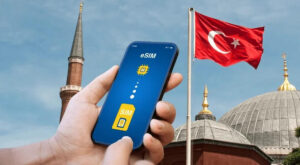
Smartphone innovation now drives almost every other consumer tech category. New devices no longer just add features; they change how people work, create, and connect. Buyers compare more than camera megapixels and storage. They now look at AI features, chipset power, battery life, and long-term software support. Brands answer with smarter operating systems, bold display designs, and faster charging. At the same time, 5G networks and cloud services push phones to act like pocket computers. This mix of hardware and software upgrades shapes the roadmap for future tech. Understanding these trends helps users make smarter purchase decisions and helps businesses plan mobile-first services that can keep up with the next wave of innovation.

AI-Powered Smartphones
Smarter User Experience
AI focuses on making every tap feel more personal and less manual. Users already notice AI when the camera picks the right scene mode or cleans up noise in low light. Voice assistants understand context better and can act across multiple apps. AI also predicts which apps users will open next, preloading them to reduce waiting time. It can summarize long texts, suggest quick replies, and offer smarter calendar prompts. On phones like upcoming Android flagships, AI boosts accessibility with live captions and background noise reduction during calls. These enhancements quietly reduce friction, so people can move faster without digging through menus or settings.
On-Device AI Growth
The biggest change in AI trends is how much now happens directly on the phone. Dedicated AI engines inside chipsets handle tasks such as image enhancement, voice processing, and object recognition without cloud support. This improves privacy and cuts down on data use. On-device AI also ensures features work even with weak or no network coverage. Brands tune their operating systems to run lighter, more efficient models for everyday actions. As AI frameworks improve, phones will handle complex tasks like image generation, advanced video editing, and instant language conversion locally. This shift turns the smartphone into a self-contained AI device rather than just a front end for cloud services.
Performance and Battery Advances
Faster Chipsets
Modern chipsets pack more power into smaller, more efficient designs. Flagship processors like the Snapdragon® 8 Elite Gen 5 Mobile Platform use advanced manufacturing nodes, high clock speeds, and dedicated engines for graphics and AI. An octa-core layout with prime and performance cores, such as 2×Prime 4.6GHz plus 6×Performance 3.62GHz, offers a mix of burst power and sustained efficiency. Paired with GPUs like the Adreno 840, users get higher frame rates in demanding games and smoother UI animations. These chips also support advanced camera pipelines, 5G modems, and strong security features. The result is a phone that feels fast under heavy workloads without burning through the battery too quickly.
Battery and Charging Tech
Battery innovation shifts from just bigger cells to smarter chemistry and charging. Next-gen silicon-carbon batteries, such as the 7100 mAh unit in the HONOR Magic8 Pro 5G phone, pack more capacity into a similar footprint while managing heat better. High-speed wired charging, up to 100W HONOR SuperCharge with support for 20V/5A, lets users reach major percentages in minutes. Wireless charging now climbs to 80W on compatible pads, closing the gap with cables. Intelligent charging algorithms adjust power based on temperature, usage, and battery health. This prevents damage from constant fast charging and extends long-term capacity. Users gain both convenience and reliability, which sets a new expectation for future smartphones.
Flagship Features in Modern Phones
Display and Design Trends
Display technology anchors the feel of a modern flagship. OLED has become the standard, offering deep blacks, vivid colors, and power savings. Larger panels around 6.7 inches, like the 6.71-inch screen on the HONOR Magic8 Pro, provide more room for gaming, content, and multitasking. High resolutions such as FHD+ 1256 × 2808 deliver crisp text and detail. Peak brightness levels climbing to 6000 nits for HDR and 1800 nits global brightness improve outdoor visibility and HDR content. Rounded corners and slim bezels enhance immersion. Materials like HONOR NanoCrystal Shield glass aim to increase durability. At the same time, manufacturers balance dimensions and weight to keep large-screen devices comfortable to hold.
Example: HONOR Magic8 Pro Features
The HONOR Magic8 Pro illustrates how many flagship trends converge in one device. It measures 161.15 mm in height, 75.0 mm in width, 8.32 mm in depth, and weighs about 219 g including the battery, creating a substantial yet manageable feel. Inside, the Snapdragon 8 Elite Gen 5, Adreno 840 GPU, and MagicOS 10 (based on Android 16) drive performance. Memory options reach up to 16GB RAM (+16GB HONOR RAM Turbo) with 1TB storage. The camera system includes a 200MP Ultra Night Telephoto, 50MP Ultra Night Main, and 50MP Ultra Wide, plus a 50MP front camera and 3D depth sensor. A 7100 mAh silicon-carbon battery supports 100W wired and 80W wireless HONOR SuperCharge.
Conclusion
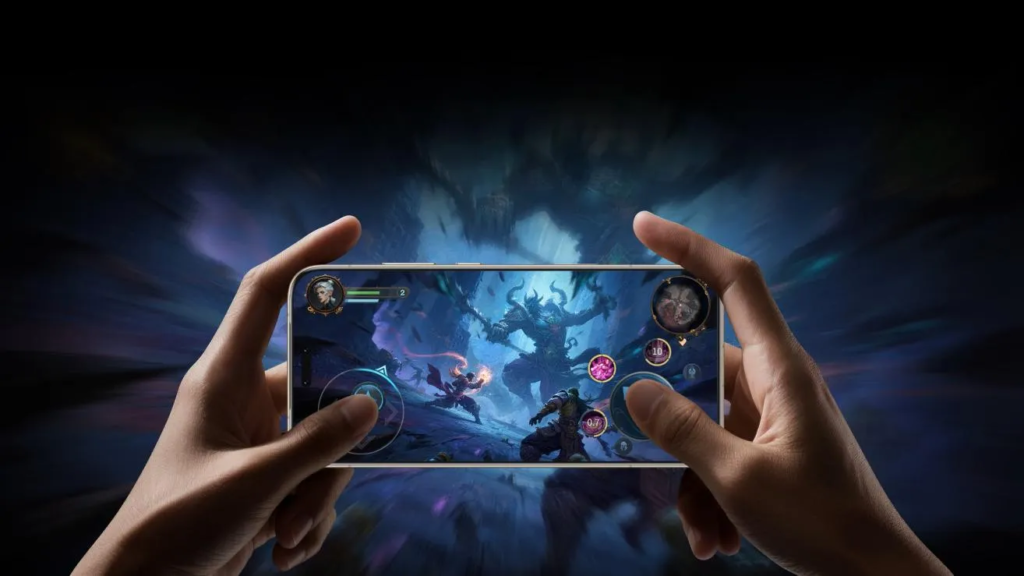
Smartphone trends now shape the broader tech landscape, from how users consume media to how businesses build digital services. AI turns phones into adaptive, context-aware tools that learn user habits and enhance photos, productivity, and security. Performance gains from advanced chipsets pair with smarter battery and charging tech, making all-day power the norm rather than a premium perk. Flagships such as the HONOR Magic8 Pro highlight where the market is heading: bright OLED displays, versatile camera systems, and large, fast-charging batteries inside refined designs. As these innovations spread across price tiers, more users will access powerful, AI-driven mobile experiences. Understanding these shifts helps buyers choose wisely and prepares companies for the next generation of mobile-first solutions.