You requested a ride. You got in the car. And then the driver ran a red light on Westheimer Road, or got rear-ended on the downtown connector, or sideswiped a vehicle merging onto Interstate 10. Now you are dealing with pain, medical bills, and an insurance system you have never navigated before.
Rideshare crash claims are not like standard car accident claims. The coverage structure is layered, the liable parties may be multiple, and the documentation required to access the right policy is specific to the rideshare platform involved. Most passengers who try to handle these claims without specialized help leave money unclaimed from coverage they did not know applied to them.
Sutliff and Stout have developed deep rideshare-specific legal knowledge and significant experience handling Uber and Lyft crash cases across Houston and Harris County. The firm understands how Uber and Lyft’s three-tier coverage system works, how to subpoena the app log data that determines which tier applies, and how to coordinate claims across multiple insurers when a third-party driver caused the crash. A Houston uber accident attorney from Sutliff and Stout is available for free consultations around the clock, so you always have someone to help you out in case of an accident.
Here are seven things most Uber and Lyft passengers in Houston do not know about their coverage after a crash.
1. There Are Three Different Coverage Tiers, and Only One of Them Covers You Fully
Uber and Lyft both operate under a three-tier insurance model. If the driver had not yet accepted a ride request when the crash happened, the coverage is limited to 50,000 dollars per person. Once the driver accepts the ride request, a one-million-dollar commercial policy applies. The same one-million-dollar policy covers you from the moment you get in the car until you exit. Knowing which tier applied at the moment of impact determines which policy you can claim against.
2. The App Log Is the Key Document, and You Need to Screenshot It Immediately
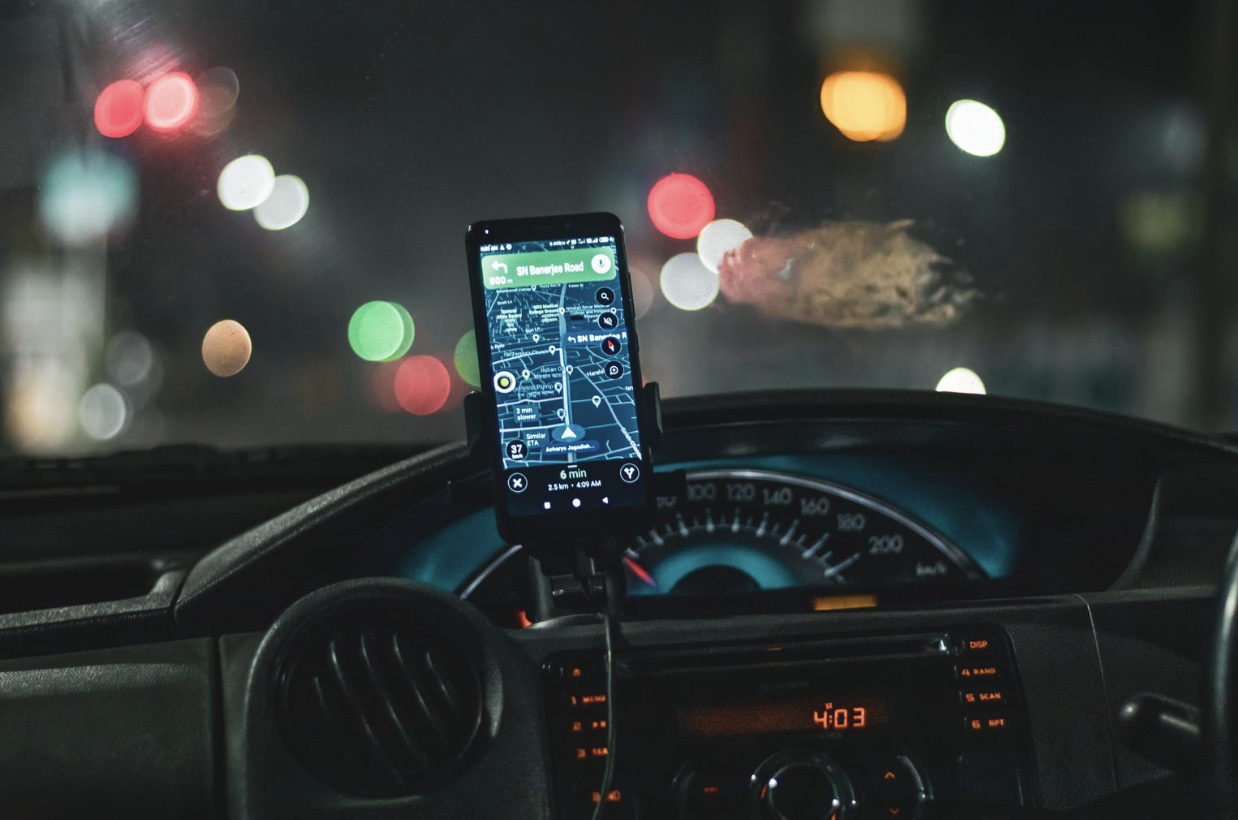
The app log shows when the driver accepted the request, when you were picked up, and when the trip was recorded as complete. This data is the evidence that confirms which coverage tier applied. Take a screenshot of your app showing the trip status, the driver’s name, and the route immediately after the crash. Do not close the app before documenting this. The full log must later be subpoenaed from Uber or Lyft directly through a formal legal process.
3. The Driver’s Personal Auto Policy Probably Won’t Cover You
Most personal auto insurance policies explicitly exclude coverage during rideshare activity. When the driver’s app is open for a fare, their personal policy may pay nothing. This means the Uber or Lyft commercial policy is the primary coverage source. If the crash happened while the driver was between trips with the app open but no passenger, the coverage level drops significantly, even though Uber or Lyft still technically applies.
4. A Third-Party Driver Who Caused the Crash Creates Additional Coverage Options
If another vehicle caused the crash, the at-fault third-party driver’s liability insurance applies. If that driver was uninsured or underinsured, the Uber or Lyft uninsured and underinsured motorist coverage, available during tiers two and three, creates an additional recovery path. Injured passengers who only pursue one insurer and ignore the others leave available coverage on the table permanently.
5. Accepting a Settlement From One Insurer May Close Your Claims Against Others
A poorly worded release can close multiple claims even when the settlement was only intended to resolve one of them. Before signing any settlement document in a rideshare crash case, a legal review of the release language is essential. A release that broadly waives claims against all parties may unintentionally foreclose recovery from the rideshare company’s commercial policy even when you only intended to settle with the third-party driver’s insurer.
6. You Are Not Required to Give a Recorded Statement to Any Insurer
Adjusters from Uber, Lyft, the at-fault driver, and the third-party driver may all call within the first 48 hours. None of them has the legal right to require a recorded statement from you as a passenger. Your own health insurer may have different policy requirements. Speaking to multiple adjusters without legal guidance creates multiple opportunities for statements to be used to assign partial fault to you or to minimize the medical damages claim.
7. Rideshare Injuries Often Follow the Same Delayed Onset Pattern as Standard Car Crashes
Whiplash, concussion, herniated discs, and shoulder injuries from rideshare crashes frequently do not produce their full symptom picture until 24 to 72 hours after the impact. An injured passenger who accepts a settlement offer within two weeks of the crash, before seeing a specialist and before the treating physician has produced a written prognosis, settles at a number that does not include future treatment costs. That settlement is permanent. The future costs are not.