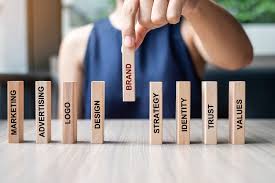
The internet is loud. Every business, from solo freelancers to global corporations, is competing for attention on the same platforms, feeds, and screens. In that kind of environment, the businesses that get remembered aren’t always the biggest ones; they’re the ones with the clearest identity.
Branding is what gives a business that identity. And it starts with something most people overlook: the logo. A well-crafted logo isn’t just a pretty graphic. It’s the face of your business, the first thing people notice, and often what they remember long after they’ve left your website. Working with a professional logo design company can make all the difference between a forgettable first impression and one that sticks.
Why First Impressions Are Everything Online
Think about the last time you visited a website that looked outdated or inconsistent. You probably didn’t stay long. Studies show that it takes less than a second for people to form a first impression of a website, and a huge part of that impression comes from visual identity.
Your logo is usually the first visual element someone notices. It signals professionalism, trust, and what kind of experience they can expect from your brand. If that signal is unclear or poorly designed, people move on before they even read a word.
The Psychology Behind Logos
Colors, shapes, and fonts aren’t random choices. They all carry emotional meaning. Blue tends to signal trust and reliability, which is why so many banks and tech companies use it. Rounded shapes feel friendly; sharp angles feel dynamic and bold.
A good logo designer understands this psychology and uses it intentionally. That’s what separates a thoughtfully designed logo from one that was just thrown together in a free online tool.
Branding Goes Beyond the Logo
A lot of people use “logo” and “brand” interchangeably, but they’re not the same thing. Your logo is one piece of your brand. Your brand is the full picture: the colors, the fonts, the tone of voice, the way your emails read, and how your packaging feels in someone’s hands.
Consistent branding across every touchpoint builds familiarity, and familiarity builds trust. According to research from Lucidpress, consistent brand presentation can increase revenue by up to 33%. That’s not a small number.
What Brand Consistency Actually Looks Like
It means your Instagram posts, business cards, invoices, and website all feel like they belong to the same family. Same color palette. Same fonts. Same energy. When someone sees your content anywhere, they should immediately know it’s you, even before they read the name.
Inconsistency, on the other hand, makes a brand feel unreliable. If your visuals are all over the place, people start to wonder if the rest of your business is too.
The Digital Age Has Raised the Stakes
Ten years ago, a business might only need a logo for a storefront sign and some business cards. Today, that same logo needs to work on a mobile app icon, a YouTube thumbnail, a Twitter profile picture, a Zoom background, and a billboard, sometimes all at once.
That’s a very different challenge. A logo designed for print doesn’t always translate well to digital. It needs to be scalable, versatile, and recognizable even at tiny sizes. This is exactly why working with professionals who understand both branding and digital environments matters so much.
Your Website Is Your Biggest Brand Asset
For most businesses today, the website is where branding lives or dies. It’s where your visual identity, your messaging, and your user experience all come together. A well-branded website builds immediate credibility and guides visitors toward taking action.
This is where having a reliable branding agency in your corner pays off. They don’t just make things look good; they make sure every design choice serves a purpose and aligns with your brand identity.
Small Businesses Need Branding Just as Much as Big Ones
There’s a common misconception that branding is only for companies with big budgets. In reality, strong branding often matters more for small businesses because they have fewer opportunities to make an impression.
A local bakery with a cohesive brand, a warm logo, consistent packaging, and a recognizable aesthetic will always outperform a competitor that’s inconsistent, even if the products are equally good. People buy from businesses they trust, and trust is built through recognition.
Where to Start if You’re Building From Scratch
If you’re starting from zero, don’t try to do everything at once. Begin with the fundamentals: a strong logo, a defined color palette, and a clear sense of your brand’s personality. Are you bold and edgy? Calm and minimal? Warm and friendly? That personality should come through in every visual choice you make.
From there, make sure your website reflects those choices, then extend them to social media, email, and any physical materials you use. The goal is to feel cohesive, not cookie-cutter.
Branding Builds Long-Term Value
Beyond the immediate impact on sales and conversions, strong branding builds something more valuable over time: brand equity. This is the premium people are willing to pay simply because of your name and reputation.
According to Forbes, brand equity is one of the most powerful competitive advantages a company can develop. Once people associate your logo and brand with quality, reliability, or a specific feeling, that association becomes incredibly hard for competitors to replicate.
Final Thoughts
In a world where consumers are more visually aware than ever, branding isn’t optional; it’s foundational. Your logo is the handshake; your brand is the relationship; together, they determine whether people remember you or scroll past.
Getting these things right from the start saves you from having to redo everything later. And more importantly, it positions you to compete confidently in whatever industry you’re in, no matter how crowded it gets.