Buyers Expect More From Residential Communities
The expectations surrounding residential living have changed considerably over the last decade. Homebuyers are no longer focused only on floor plans, kitchen finishes, or square footage. Many now evaluate the overall lifestyle a neighborhood can provide before making a purchasing decision.
This shift has increased the importance of recreation amenities in residential development. Walking trails, parks, pools, fitness centers, playgrounds, and sports courts are becoming major factors during the home search process. Buyers increasingly want communities that support active living and provide opportunities for social interaction close to home.
Developers have adapted by creating neighborhoods that place recreation at the center of community planning. These amenities are often integrated directly into the neighborhood’s design rather than added later as secondary features.
As more buyers research new-construction homes, communities with strong recreational offerings often stand out for their support of daily convenience, wellness, and outdoor living.
Recreation Spaces Shape Daily Living
The presence of recreation amenities can influence how residents spend their time throughout the week. Communities with trails, parks, and sports courts encourage people to spend more time outdoors and engage with their surroundings.
Many residents appreciate having access to activities without leaving their neighborhood. Walking paths, fitness areas, and recreation spaces allow homeowners to remain active while reducing the need for additional travel. This convenience often becomes part of a resident’s daily routine.
Pickleball courts have become especially popular in modern communities because they appeal to multiple generations. Families, retirees, and working professionals can all participate, creating a more active and social neighborhood environment.
Outdoor amenities also encourage casual interaction between neighbors. Residents naturally connect while walking trails, relaxing at pools, or participating in recreational activities. These experiences can create a stronger sense of community and improve overall homeowner satisfaction.
Neighborhoods that support outdoor living often feel more vibrant because residents spend more time in shared spaces rather than remaining isolated indoors.
Amenities Affect How Buyers Perceive Value
Recreation amenities influence more than convenience. They also shape how buyers perceive the overall value of a residential community.
When buyers compare neighborhoods, communities with thoughtfully designed amenities often make a stronger impression during tours and online research. Pools, parks, trails, and recreation courts help buyers visualize how they would live within the community on a daily basis.
For many people, these amenities represent an extension of their home environment. A walking trail or pickleball court may become part of a resident’s regular lifestyle in the same way a backyard or patio is used.
Communities with recreation-focused planning may also appeal to buyers relocating from colder climates who want year-round outdoor activity. Florida’s weather allows residents to enjoy outdoor amenities year-round, making recreational features even more attractive.
Developers understand that lifestyle-oriented amenities can help differentiate one neighborhood from another. Buyers searching online often include terms connected to recreation, active living, parks, and outdoor spaces when researching communities.
Active Communities Support Social Connection
One reason recreation amenities have become more valuable is their ability to encourage social interaction. Many modern buyers want neighborhoods where meeting neighbors feels natural rather than forced.
Shared recreation spaces create opportunities for regular interaction among residents. Community events, sports activities, and outdoor gathering areas often help strengthen neighborhood relationships over time.
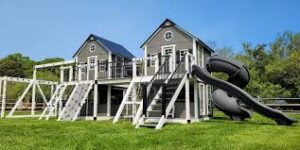
Families frequently prefer communities where children can play outdoors, ride bikes, and participate in recreational activities close to home. Parents may feel more comfortable allowing children to spend time outdoors in neighborhoods designed around active living and connected spaces.
Retirees and remote workers also benefit from these environments because recreation areas provide opportunities to remain socially engaged throughout the week. Amenities that encourage movement and interaction can help create a more balanced daily routine.
Communities built around recreation often feel more dynamic because residents actively use the neighborhood rather than simply reside in it.
Recreation Continues to Influence Residential Development
As buyer preferences continue to evolve, recreational amenities are likely to remain a major part of residential planning. Developers increasingly recognize that buyers want neighborhoods that support wellness, convenience, and outdoor living, in addition to modern home designs.
A thoughtfully planned community can provide more than housing. It can create opportunities for recreation, social interaction, and healthier routines that shape the overall living experience.
For buyers researching new construction homes in Bradenton, FL, North River Ranch offers a community environment designed around recreation, outdoor living, and connected neighborhood experiences.
Why are recreation amenities important in residential communities?
Recreation amenities encourage outdoor activity, support wellness, and create opportunities for residents to interact with neighbors.
Do buyers prefer communities with outdoor recreation areas?
Yes. Many buyers actively search for neighborhoods with trails, parks, pools, and sports courts because they support a more active lifestyle.
How do amenities influence interest in new construction homes?
Amenities help buyers visualize daily living within the community and often make neighborhoods more attractive during the home search process.
Why are pickleball courts becoming popular in residential developments?
Pickleball appeals to multiple age groups, promotes social interaction, and supports active living with minimal equipment or experience required.
read more : How Secure Are Glueless Lace Front Wigs Without Adhesive?