Storms in Atlanta can arrive with force, leaving homes exposed to wind, rain, hail, and falling debris. A roof may look fine from the ground, yet hidden damage can develop beneath shingles, flashing, or gutters. Fast attention helps protect the structure before minor trouble turns into costly repairs.
After severe weather, homeowners usually worry about leaks, loose materials, and interior stains. The safest approach is to schedule a detailed roof assessment instead of relying on a quick visual check. Professional inspection brings clarity, especially when damage affects areas that are hard to see. This article will talk about issues that homeowners face after storm damage.
Roof Leaks and Hidden Moisture Problems
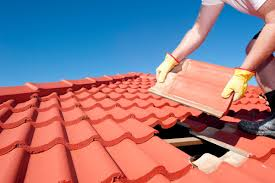
Prompt Atlanta storm damage restoration can help homeowners identify leaks before water spreads into ceilings, insulation, and wall cavities. Storm-driven rain can slip under lifted shingles, cracked flashing, or damaged vents. Once moisture enters the roof system, stains, odors, and mold concerns may follow. Expert roofers trace water paths, check attic spaces, and locate entry points that may escape a basic inspection. Their repair plan can include shingle replacement, flashing repair, sealant work, or underlayment correction.
Shingle Damage From Wind and Hail
Strong winds can loosen, curl, or tear shingles away from the roof surface. Hail can leave dents, granule loss, and bruised areas that weaken protection over time. Also:
- Missing shingles expose the underlayment to rain.
- Lifted edges allow wind and moisture to reach deeper layers.
- Granule loss reduces protection against sunlight.
- Hail marks can shorten roof life if left untreated.
- Cracked tabs may lead to leaks during the next storm.
A roofing professional can separate cosmetic marks from functional damage. This matters when homeowners need repair documentation for insurance claims.
Gutter, Fascia, and Drainage Damage
Storms can clog gutters with leaves, branches, and roofing granules. Heavy water flow may pull gutters loose, bend downspouts, or soak fascia boards. Poor drainage can push water toward siding, foundations, and basement areas.
Roofers inspect the full drainage path, not just the shingles. They can reset loose gutters, repair damaged fascia, and recommend improvements that move water away from the home. A clear drainage system protects both the roof edge and the property below.
Fallen Branches and Structural Concerns
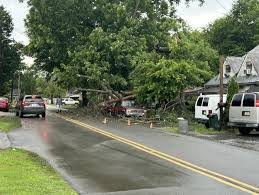
Trees add beauty to the neighborhoods of Atlanta, but severe weather can turn branches into serious hazards. A large limb can puncture shingles, crack decking, damage vents, or create sagging roof sections. Even smaller debris can scrape protective surfaces and open weak spots. Know that:
- Punctures may allow immediate water entry.
- Broken vents can affect attic airflow.
- Damaged decking can compromise roof stability.
- Debris piles can trap moisture against shingles.
- Impact marks may spread beneath the visible surface.
How Expert Roofers in Atlanta Support Recovery
Professional roofers bring safety, experience, and accurate documentation to storm recovery. They know where to look for subtle damage, which includes ridge caps, valleys, flashing, vents, and attic spaces. Their findings help homeowners understand repair priorities without guesswork.
A trusted roofing team can also support Atlanta storm damage restoration with emergency tarping, detailed photos, material matching, and insurance-ready reports. Their work helps prevent delays and reduces the risk of repeat leaks. Skilled repairs restore confidence after severe weather and help the home handle the next storm season.
So, storm damage in Atlanta can affect far more than the visible roof surface. Leaks, hail marks, drainage trouble, and impact damage all need careful attention. Expert roofers help homeowners recover with safer inspections, clear repair plans, and lasting protection.
read more : Five Benefits of Using Top CLM Platforms for Streamlined Business Workflows