As the population ages, the demand for high-quality senior care continues to grow. Families and healthcare providers alike are placing increased emphasis on environments that not only support daily living but also actively enhance overall well-being. Specialized senior living communities have emerged as a powerful solution, offering tailored services, structured environments, and access to professional care. These communities are designed to meet the evolving needs of older adults, resulting in measurable improvements in both physical and mental health outcomes.
Personalized Care and Targeted Support
One of the most significant advantages of specialized communities is their ability to provide individualized care plans. Unlike traditional care settings, these communities assess each resident’s medical history, mobility, cognitive health, and personal preferences to develop a customized approach. This level of attention ensures that seniors receive the exact support they need, whether it involves medication management, mobility assistance, or memory care services. By addressing specific health conditions proactively, specialized communities can reduce hospital visits and prevent complications. Trained staff members monitor residents regularly, allowing for early detection of issues that might otherwise go unnoticed. The result is a safer and more controlled environment where health concerns are managed efficiently, leading to improved long-term outcomes.
Social Engagement and Emotional Well-Being
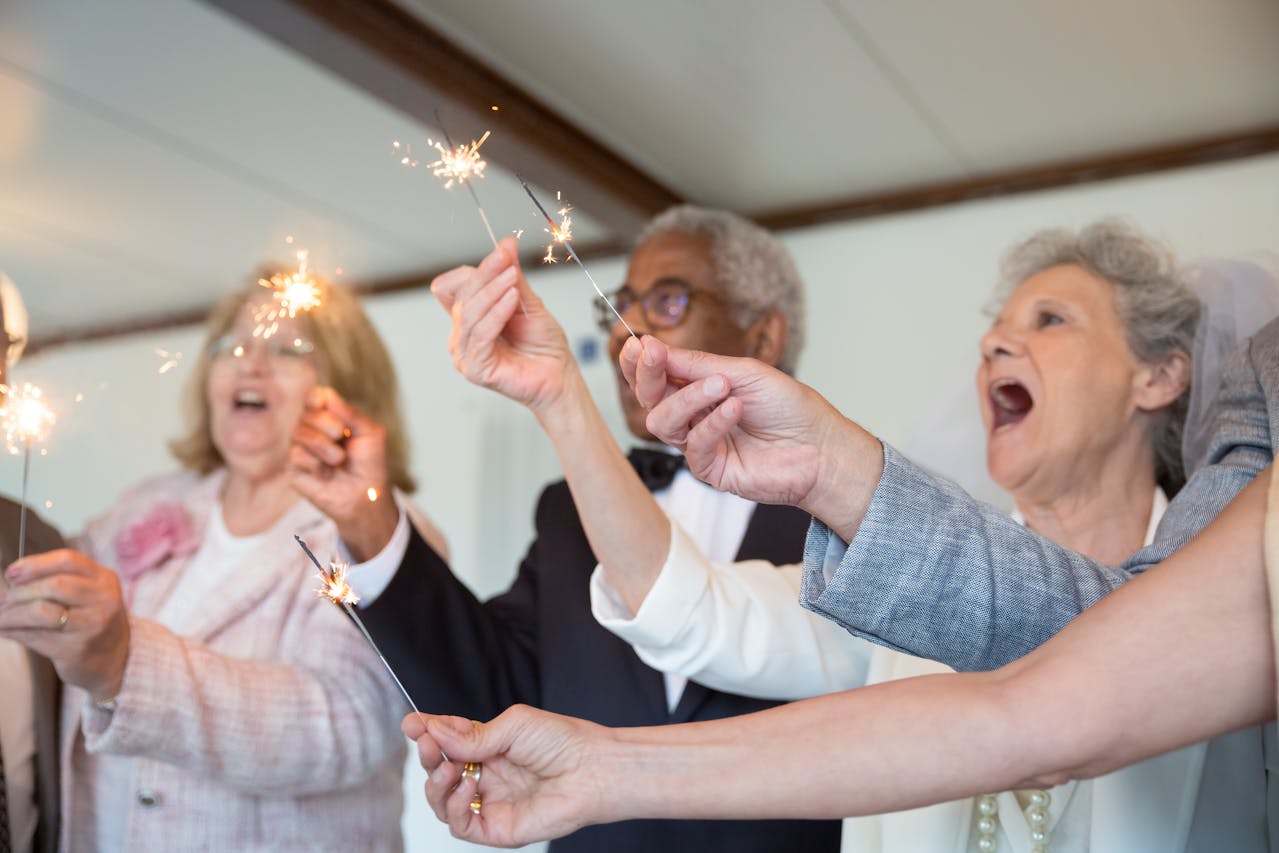
Isolation is a major concern among older adults and is closely linked to declines in both mental and physical health. Specialized communities are intentionally designed to foster social interaction through group activities, shared dining, and community events. These opportunities encourage residents to build meaningful relationships and stay engaged with others. Strong social connections can improve mood, reduce stress, and even contribute to better cognitive function. Residents who participate in structured social programs are more likely to maintain a sense of purpose and independence. By creating a supportive and connected environment, these communities play a vital role in combating loneliness and promoting emotional resilience.
Access to On-Site Healthcare Services
Another key factor that contributes to improved health outcomes is convenient access to healthcare services. Specialized communities often provide on-site medical support, including routine check-ups, physical therapy, and wellness programs. This integrated approach eliminates many of the barriers that seniors face when seeking care, such as transportation challenges or scheduling difficulties. Communities like Marbella Tracy exemplify this integrated model by offering a blend of residential comfort and healthcare support in a single location. Residents benefit from coordinated care that aligns with their daily routines, ensuring consistency and continuity in treatment. This accessibility leads to better adherence to medical plans and quicker responses to health changes, ultimately improving overall wellness.
Safe Environments Designed for Aging
Safety is a critical concern for seniors, particularly as mobility and balance may decline with age. Specialized communities are thoughtfully designed with features that minimize risk and enhance accessibility. From grab bars and non-slip flooring to emergency response systems and secure layouts, every aspect of the environment is tailored to support safe living. These design elements significantly reduce the likelihood of falls and injuries, which are among the leading causes of hospitalization for older adults. Additionally, staff members are trained to respond quickly in emergency situations, providing peace of mind for both residents and their families. A secure and supportive environment allows seniors to maintain independence while staying protected.
Structured Wellness and Lifestyle Programs
Health outcomes are not solely determined by medical care; lifestyle factors play a crucial role as well. Specialized communities emphasize holistic wellness by offering programs that promote physical activity, nutrition, and mental stimulation. Fitness classes, balanced meal plans, and cognitive exercises are all integrated into daily routines. Regular participation in these activities helps residents maintain mobility, improve cardiovascular health, and support brain function. Furthermore, structured schedules create consistency, which is particularly beneficial for individuals with cognitive impairments. By prioritizing overall wellness, these communities enable seniors to lead active and fulfilling lives.
Conclusion
Specialized senior living communities represent a comprehensive approach to aging that goes beyond basic care. By combining personalized support, social engagement, accessible healthcare, safe environments, and wellness-focused programming, they create conditions that significantly enhance health outcomes. As more families recognize the value of these communities, they continue to play an increasingly important role in supporting the aging population. Ultimately, their focus on holistic well-being ensures that seniors can enjoy not only longer lives, but healthier and more meaningful ones as well.