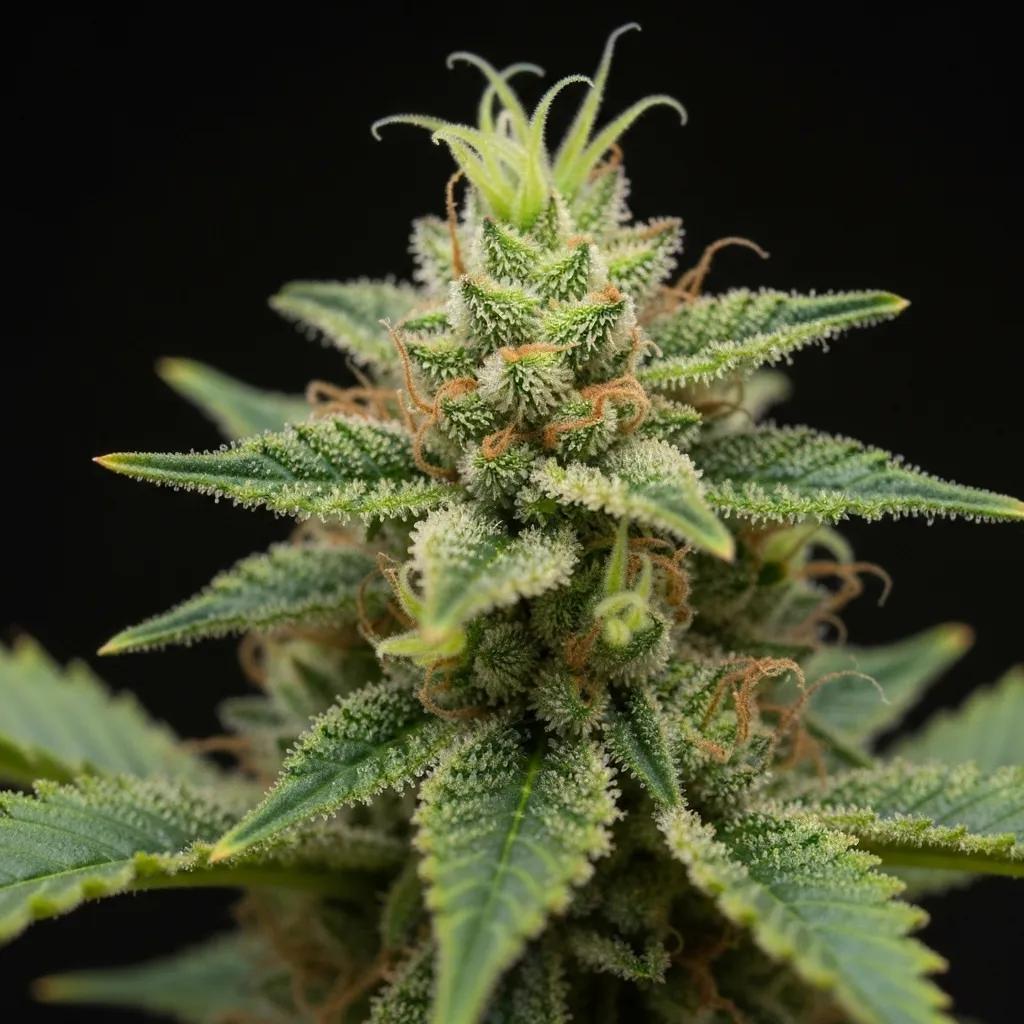
In a market increasingly driven by data and transparency, the way enthusiasts evaluate Cannabis seeds has evolved significantly. Buyers are no longer satisfied with simple strain names; instead, they seek detailed insights into lineage, terpene composition, and structural traits. Among the most intriguing genetic families available today, the haze strain continues to capture attention for its complexity and lasting influence on modern breeding.
Understanding how these two elements connect offers a deeper perspective on how cannabis genetics are preserved, refined, and adapted for contemporary expectations.
Cannabis Seeds as Genetic Blueprints
Cannabis seeds function as the foundation of all cannabis genetics. Each seed carries a unique combination of inherited traits, shaped through selective breeding and environmental adaptation. These traits determine everything from plant structure to aromatic expression.
In today’s marketplace, transparency has become a defining factor in seed selection. Buyers often look for detailed descriptions that outline parent genetics, phenotype variation, and stabilization methods. This level of information allows for a more informed approach, moving beyond general assumptions toward measurable characteristics.
For those researching Cannabis seeds, understanding how genetic lineage influences outcomes is essential. This is particularly true when dealing with complex families such as haze.
Haze Strain: A Multi-Regional Genetic Legacy
The haze strain is widely recognized for its diverse origins and distinctive growth characteristics. Developed from a blend of equatorial landrace genetics, it reflects influences from regions such as Southeast Asia and Central America. This multi-regional background contributes to its defining traits.
Plants associated with the haze strain typically exhibit tall growth patterns, elongated branches, and narrow leaf structures. These features are a direct result of adaptation to tropical environments, where longer growing seasons are common.
Aromatic complexity is another hallmark of haze genetics. Terpene profiles often include citrus, herbal, and slightly spicy notes, driven by compounds such as terpinolene and limonene. This layered expression has made haze a cornerstone in breeding programs focused on aromatic diversity.
The Role of Haze in Modern Cannabis Seeds
Despite the emergence of countless new hybrids, haze genetics remain highly relevant. Breeders frequently incorporate them into Cannabis seeds to introduce brightness and complexity into terpene profiles. However, balancing these characteristics with structural manageability requires careful selection.
Modern breeding techniques often combine haze with more compact genetic lines. This approach helps retain its signature aromatic profile while improving consistency in growth patterns. The result is a new generation of seeds that reflect both heritage and refinement.
For buyers, this highlights the importance of understanding how haze genetics are integrated. Not all seed lines will express these traits equally, making breeder transparency a critical factor.
Stability and Phenotype Selection
One of the key challenges associated with haze-based Cannabis seeds is variability. Due to its diverse lineage, the haze strain can produce a wide range of phenotypes if not properly stabilized. This makes multi-generational selection essential.
Breeders address this by identifying desirable traits—such as terpene expression and structural form—and reinforcing them over successive generations. This process reduces unpredictability and ensures that defining characteristics are consistently expressed.
When evaluating seed options, detailed product information can provide valuable insight into this process. Clear lineage documentation and phenotype descriptions indicate that a seed line has undergone careful refinement.
Terpene Data and Modern Buying Behavior
The growing emphasis on terpene profiles has reshaped how Cannabis seeds are marketed and selected. Aromatic composition is now considered a measurable indicator of genetic quality rather than a secondary feature.
The haze strain has played a significant role in this shift. Its complex terpene structure set a standard for what aromatic diversity can look like in cannabis genetics. As a result, many modern hybrids aim to replicate or adapt these characteristics.
Buyers increasingly use terpene data to guide their decisions, comparing seed lines based on sensory attributes as well as structural traits. This analytical approach reflects a more mature and informed marketplace.
A Broader Perspective on Genetic Diversity
The relationship between Cannabis seeds and haze genetics underscores the importance of diversity in breeding. While innovation continues to introduce new varieties, foundational lines like haze provide the genetic depth necessary for long-term development.
Preserving these classic genetics ensures that essential traits—such as aromatic complexity and structural variation—remain accessible. Without this preservation, the genetic pool would become increasingly limited.
Conclusion: Complexity as a Benchmark for Quality
The connection between Cannabis seeds and the haze strain illustrates how modern breeding balances preservation with innovation. While seeds represent the starting point of genetic potential, haze embodies the depth and complexity that careful selection can achieve.
For today’s informed enthusiast, understanding these dynamics encourages a more thoughtful approach to seed research. By focusing on lineage, stabilization, and terpene composition, buyers can navigate the evolving marketplace with greater clarity—prioritizing authenticity and long-term genetic value over short-term trends.